Selling a veterinary clinic in Dubai
Selling a veterinary clinic in Dubai
What clinics actually sell for, what moves the number up or down, and how the process works. Written by a buyer, with the figures included.
What clinics actually sell for, what moves the number up or down, and how the process works. Written by a buyer, with the figures included.

By:
By:
Ali Soudi, CEO, ARENA Vet Holding
Ali Soudi, CEO, ARENA Vet Holding
Updated on:
Updated on:
9 minute read
9 minute read

A disclosure before you read on
We buy veterinary clinics. Keep that in mind while reading everything below. We can offer a set of numbers pulled from deals we've actually done, not a textbook estimate. For advice specific to your own business, speak to your own advisor. Think of this page as a starting point.
A disclosure before you read on
We buy veterinary clinics. Keep that in mind while reading everything below. We can offer a set of numbers pulled from deals we've actually done, not a textbook estimate. For advice specific to your own business, speak to your own advisor. Think of this page as a starting point.
Most clinic owners in Dubai have no idea what their practice is worth, and there’s almost nowhere to find out. Brokers don’t publish numbers. Accountants can value a business, but most have never priced a veterinary one specifically. So the first conversation about selling a vet clinic usually starts with a guess.
This page explains what we see happening in the market, why the range is so wide, and what you can do in the year before a sale to land near the top instead of the bottom.
What a veterinary clinic is worth in Dubai
Clinics are valued on a multiple of EBITDA, your profit before interest, tax, depreciation and amortisation. Put plainly: your operating profit, once you’ve stripped out anything a new owner wouldn’t inherit.
How that number lands depends on one thing more than any other: how much of the business depends on you personally.
Type of practice | Typical multiple |
|---|---|
Single clinic, owner is the main vetRevenue drops if you stop workingCell 1-1 | 3 to 4× |
Single clinic, run by a managerTrades without the owner present | 4 to 5× |
Small group, two to four sitesShared systems, some management depth | 5 to 6× |
Established group with real infrastructureCentral finance, HR, marketing, clinical protocols | 6 to 8× |
Platform businessMulti-emirate or multi-country, specialists, referral work | 8 to 12× |
These figures come from transactions and negotiations we’ve seen in the UAE market. Every deal is its own case though, and clinics sit outside these bands in both directions more often than you’d think.
The single largest factor in what your clinic is worth is whether it still works when you are not there.
Here’s what that looks like in AED terms. A clinic making 1,000,000 in EBITDA, where the owner still does most of the surgeries, is worth something like 3.5 million. Put three employed vets and a manager in place instead, same profit, same city, same client base, and the number moves closer to 5 million.
What moves the number
Pushes the multiple up

Employed vets who intend to stay
A lease with five or more years remaining
Recurring revenue: wellness plans, memberships, repeat grooming
Clean, audited accounts going back three years
Equipment that has been maintained and is not due for replacement
A client base that books rather than walks in
Diagnostics or services competitors nearby cannot offer
Pulls the multiple down

You are the reason clients come
Under two years left on the lease
No management accounts, only year-end figures
A key vet whose visa or contract is ending
Revenue concentrated in one service or one referral source
Unrecorded cash, or personal costs run through the business
Outstanding disputes with the landlord or with staff
Two of these deserve more than a bullet point, since they’re the ones that quietly cost sellers money.
The lease
A buyer is buying the right to trade from that address, nothing more. Eighteen months left with no renewal commitment from the landlord? That’s what’s on offer: eighteen months of certainty, and the price reflects it. You don’t fix this in a weekend. If a sale is even on the table in the next two years, start that renewal conversation now.
How the books are kept
Plenty of owner-run clinics run personal costs through the business. Makes sense for tax at the time. Costs you at sale, because every adjustment has to be backed by paperwork.
A documented add-back, a buyer will accept. Two hundred thousand dirhams of unexplained cost with no paper trail, they won’t. Cleaning this up takes a full financial year, so it needs to start well before you’ve decided anything.
How the process actually works
Week 1 | An initial conversationInformal, confidential. What you have, what you want, whether there’s anything to talk about further. Most stop here. That’s a normal outcome, not a failed one. |
Week 1–2 | A mutual NDASigned before any financial information moves. Protects both sides, and should cover the fact that a conversation is happening at all, not just the numbers inside it. |
Week 2–4 | Headline informationThree years of accounts, current management accounts, the lease, a staff list. Enough to form a view. Diligence proper hasn’t started yet. |
Week 4–6 | An indicative offerA letter of intent, price, structure, what happens to you afterwards. Non-binding on the deal itself, usually binding on confidentiality and exclusivity. |
Month 2–4 | Due diligenceFinancial, legal, clinical, operational. Sixty to ninety days is typical. Deals slow down here, and it’s almost never because something’s wrong; it’s because information hasn’t been provided yet. |
Month 4–6 | Definitive agreements and completionShare purchase agreement, employment terms if you’re staying, licence transfer, handover. |
Six months, first conversation to completion, is a fair expectation for a clean single-site deal. Groups take longer. Anyone promising six weeks is either skipping diligence, or isn’t the one paying.
What to have ready
You don’t need all of this on day one. But nobody can put a number on your clinic, or make you a serious offer, without it. Missing paperwork slows a deal down more than an actual problem ever does.

Three years of accounts
Audited if you have them, signed if not. Three years lets a buyer see a trend, not just a snapshot; one strong year means little if the two before it were flat or declining.
Monthly management accounts
Revenue split by service
The lease and Ejari
Trade and veterinary facility licences
Staff schedule
End of service accrual
Client numbers and retention
Equipment register
End-of-service accrual causes more problems in UAE deals than everything else on this list combined. With fifteen or twenty staff, it’s a material figure. If it hasn’t been calculated and provisioned for, a buyer will do it themselves, and their number won’t do you any favours.
Who buys veterinary clinics in Dubai
ARENA Veterinary Holding was founded on a clear goal: to help veterinary clinics scale responsibly, without compromising their standards, values, or independence. This approach clearly defines how we work with our partners, focusing on long-term impact rather than quick expansion. As part of our current collaboration, we’re committed to growing the chain to 10 branches over the next 12 to 18 months.
Broadly three types of buyers, and they behave very differently.
Another vet. Often buying a job as much as a business, someone looking to become an owner-operator rather than build a group. Pays the lowest multiple, usually because they’re financing the purchase through a bank rather than existing capital, and banks are conservative about veterinary lending in the UAE.
The process can drag for the same reason, financing approval takes time. On the upside, they’ll typically leave the clinic exactly as it was, same name, same team, same way of doing things, which matters if that continuity is important to you.
A veterinary group. Pays more, because the clinic is genuinely worth more inside a group than standing alone, shared purchasing power, shared marketing, shared recruitment, and often shared clinical protocols that raise the standard of care rather than just the efficiency of it. Wants the practice to keep running as-is initially, and usually wants you involved for a period, since continuity of care and client relationships is exactly what they’re paying the higher multiple for.
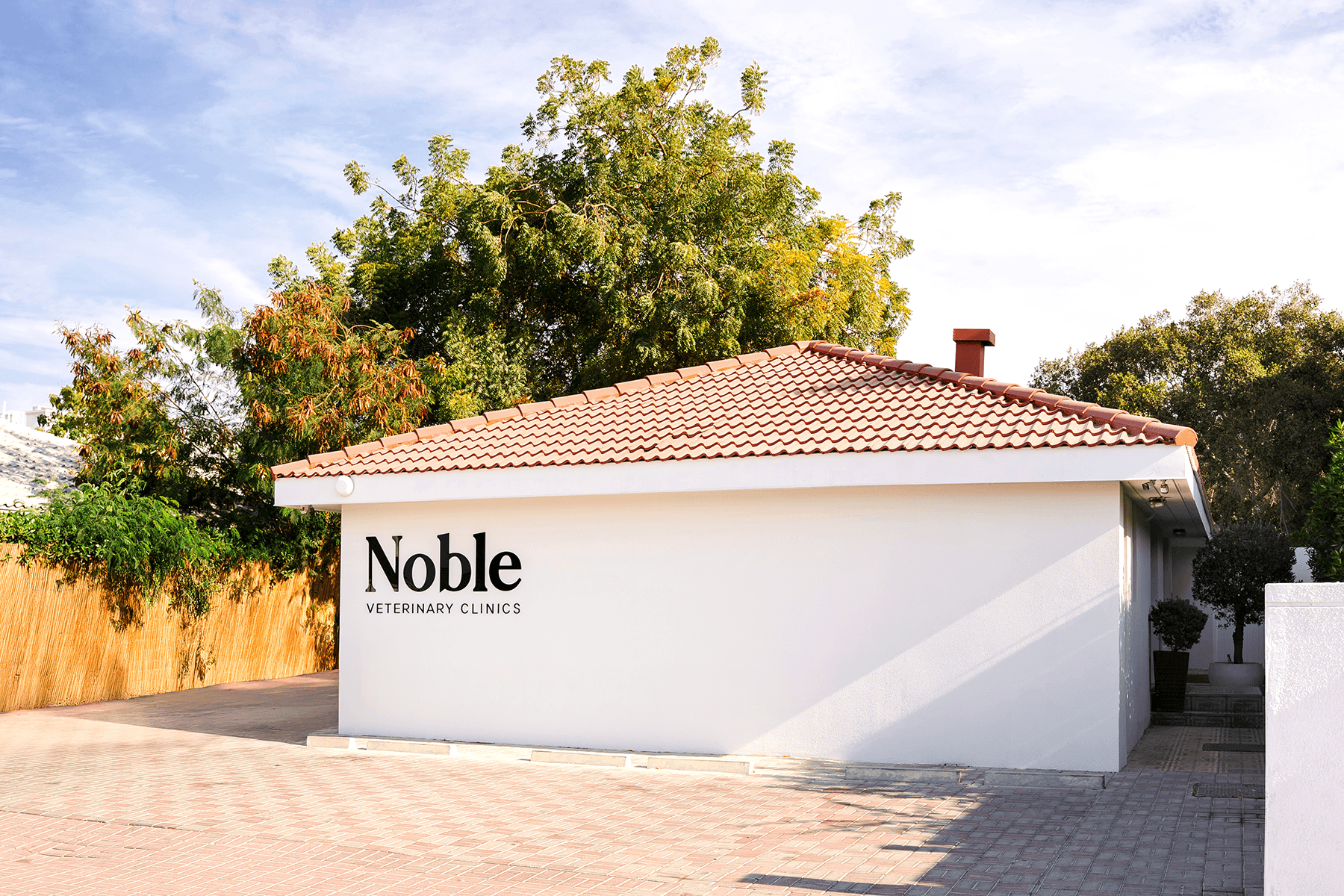
This is us. We took Noble Veterinary Clinics from a single site in 2006 to a group over 100,000 families now trust, with genuine investment in specialist care and in-house diagnostics along the way.
A financial buyer. Private equity, or a family office. Can pay well for the right asset, particularly one large enough to act as a platform for further acquisitions, but they’re rarely interested in a single clinic.
They bring professional reporting and governance as standard practice, monthly board packs, and formal budgeting cycles, which can feel like a significant shift if you’re used to running things on instinct and a spreadsheet.
Which of these suits you depends entirely on what comes next for you, not just on price. Planning to stay on clinically for years to come?
A group that values you as a vet, not just as an asset on a balance sheet, is worth more long-term than a slightly higher number from a buyer who’s really just acquiring your client list and licence.
What happens to your team
This is the question owners raise first, and it often decides the outcome, sometimes more than price does.
Most buyers want the team, full stop, and it is worth understanding properly rather than taking it on faith. Take the staff out of a clinic, and you’re left with premises, equipment, and a licence, worth a fraction of what a functioning, trading business is.
The clinical relationships your team has built with clients, the institutional knowledge of how each case history works, none of that transfers if the people don’t. Contracts and end-of-service entitlements transfer over to the new entity as part of completion, and visas move with them. This is a standard, well-understood part of the process in the UAE, not something buyers try to avoid.
What actually differs between deals is how and when you tell people. Our view, formed from doing this more than once: once terms are genuinely agreed and before diligence properly begins, tell your staff directly. They will work it out regardless; staff always do, and hearing it from you, with real information about what it means for them, lands very differently than hearing a rumour secondhand or noticing a stranger with a clipboard walking round the clinic asking questions nobody’s explained.
On confidentiality
A fair thing to worry about, and one every owner raises early. Dubai’s veterinary community is genuinely small, vets, suppliers, and landlords all know each other, and word that you’re selling can reach your own clients and staff faster than most owners expect, sometimes before you’re even ready to have that conversation on your own terms.
Three things actually protect you here, and it’s worth insisting on all three regardless of who you’re talking to. The NDA covers not just the figures but the fact that a conversation is happening at all. Staged disclosure means sensitive details like individual salaries and named client data come out late in the process, once real intent has been established on both sides, rather than early, when a deal might still fall through. And diligence conducted outside clinic hours, or off-site entirely, wherever that’s genuinely practical, so a parade of unfamiliar visitors during working hours doesn’t itself become the thing that gives everything away.
Any buyer who pushes back on these three, wants to skip the NDA, or pushes for full financial and staff detail on day one tells you something worth knowing about how they’ll behave later in the process too.
Questions we are asked
What is my clinic worth?
Do I have to stop working?
Can I keep a shareholding?
Is it paid all at once?
How long does it take?
What if my clinic is losing money?
Do I need a broker?
What if I am only considering it?
Most clinic owners in Dubai have no idea what their practice is worth, and there’s almost nowhere to find out. Brokers don’t publish numbers. Accountants can value a business, but most have never priced a veterinary one specifically. So the first conversation about selling a vet clinic usually starts with a guess.
This page explains what we see happening in the market, why the range is so wide, and what you can do in the year before a sale to land near the top instead of the bottom.
What a veterinary clinic is worth in Dubai
Clinics are valued on a multiple of EBITDA, your profit before interest, tax, depreciation and amortisation. Put plainly: your operating profit, once you’ve stripped out anything a new owner wouldn’t inherit.
How that number lands depends on one thing more than any other: how much of the business depends on you personally.
Type of practice | Typical multiple |
|---|---|
Single clinic, owner is the main vetRevenue drops if you stop workingCell 1-1 | 3 to 4× |
Single clinic, run by a managerTrades without the owner present | 4 to 5× |
Small group, two to four sitesShared systems, some management depth | 5 to 6× |
Established group with real infrastructureCentral finance, HR, marketing, clinical protocols | 6 to 8× |
Platform businessMulti-emirate or multi-country, specialists, referral work | 8 to 12× |
These figures come from transactions and negotiations we’ve seen in the UAE market. Every deal is its own case though, and clinics sit outside these bands in both directions more often than you’d think.
The single largest factor in what your clinic is worth is whether it still works when you are not there.
Here’s what that looks like in AED terms. A clinic making 1,000,000 in EBITDA, where the owner still does most of the surgeries, is worth something like 3.5 million. Put three employed vets and a manager in place instead, same profit, same city, same client base, and the number moves closer to 5 million.
What moves the number
Pushes the multiple up
Employed vets who intend to stay
A lease with five or more years remaining
Recurring revenue: wellness plans, memberships, repeat grooming
Clean, audited accounts going back three years
Equipment that has been maintained and is not due for replacement
A client base that books rather than walks in
Diagnostics or services competitors nearby cannot offer
Pulls the multiple down
You are the reason clients come
Under two years left on the lease
No management accounts, only year-end figures
A key vet whose visa or contract is ending
Revenue concentrated in one service or one referral source
Unrecorded cash, or personal costs run through the business
Outstanding disputes with the landlord or with staff
Two of these deserve more than a bullet point, since they’re the ones that quietly cost sellers money.
The lease
A buyer is buying the right to trade from that address, nothing more. Eighteen months left with no renewal commitment from the landlord? That’s what’s on offer: eighteen months of certainty, and the price reflects it. You don’t fix this in a weekend. If a sale is even on the table in the next two years, start that renewal conversation now.
How the books are kept
Plenty of owner-run clinics run personal costs through the business. Makes sense for tax at the time. Costs you at sale, because every adjustment has to be backed by paperwork.
A documented add-back, a buyer will accept. Two hundred thousand dirhams of unexplained cost with no paper trail, they won’t. Cleaning this up takes a full financial year, so it needs to start well before you’ve decided anything.
How the process actually works
Week 1 | An initial conversationInformal, confidential. What you have, what you want, whether there’s anything to talk about further. Most stop here. That’s a normal outcome, not a failed one. |
Week 1–2 | A mutual NDASigned before any financial information moves. Protects both sides, and should cover the fact that a conversation is happening at all, not just the numbers inside it. |
Week 2–4 | Headline informationThree years of accounts, current management accounts, the lease, a staff list. Enough to form a view. Diligence proper hasn’t started yet. |
Week 4–6 | An indicative offerA letter of intent, price, structure, what happens to you afterwards. Non-binding on the deal itself, usually binding on confidentiality and exclusivity. |
Month 2–4 | Due diligenceFinancial, legal, clinical, operational. Sixty to ninety days is typical. Deals slow down here, and it’s almost never because something’s wrong; it’s because information hasn’t been provided yet. |
Month 4–6 | Definitive agreements and completionShare purchase agreement, employment terms if you’re staying, licence transfer, handover. |
Six months, first conversation to completion, is a fair expectation for a clean single-site deal. Groups take longer. Anyone promising six weeks is either skipping diligence, or isn’t the one paying.
What to have ready
You don’t need all of this on day one. But nobody can put a number on your clinic, or make you a serious offer, without it. Missing paperwork slows a deal down more than an actual problem ever does.
Three years of accounts
Audited if you have them, signed if not. Three years lets a buyer see a trend, not just a snapshot; one strong year means little if the two before it were flat or declining.
Monthly management accounts
Revenue split by service
The lease and Ejari
Trade and veterinary facility licences
Staff schedule
End of service accrual
Client numbers and retention
Equipment register
End-of-service accrual causes more problems in UAE deals than everything else on this list combined. With fifteen or twenty staff, it’s a material figure. If it hasn’t been calculated and provisioned for, a buyer will do it themselves, and their number won’t do you any favours.
Who buys veterinary clinics in Dubai
ARENA Veterinary Holding was founded on a clear goal: to help veterinary clinics scale responsibly, without compromising their standards, values, or independence. This approach clearly defines how we work with our partners, focusing on long-term impact rather than quick expansion. As part of our current collaboration, we’re committed to growing the chain to 10 branches over the next 12 to 18 months.
Broadly three types of buyers, and they behave very differently.
Another vet. Often buying a job as much as a business, someone looking to become an owner-operator rather than build a group. Pays the lowest multiple, usually because they’re financing the purchase through a bank rather than existing capital, and banks are conservative about veterinary lending in the UAE.
The process can drag for the same reason, financing approval takes time. On the upside, they’ll typically leave the clinic exactly as it was, same name, same team, same way of doing things, which matters if that continuity is important to you.
A veterinary group. Pays more, because the clinic is genuinely worth more inside a group than standing alone, shared purchasing power, shared marketing, shared recruitment, and often shared clinical protocols that raise the standard of care rather than just the efficiency of it. Wants the practice to keep running as-is initially, and usually wants you involved for a period, since continuity of care and client relationships is exactly what they’re paying the higher multiple for.
This is us. We took Noble Veterinary Clinics from a single site in 2006 to a group over 100,000 families now trust, with genuine investment in specialist care and in-house diagnostics along the way.
A financial buyer. Private equity, or a family office. Can pay well for the right asset, particularly one large enough to act as a platform for further acquisitions, but they’re rarely interested in a single clinic.
They bring professional reporting and governance as standard practice, monthly board packs, and formal budgeting cycles, which can feel like a significant shift if you’re used to running things on instinct and a spreadsheet.
Which of these suits you depends entirely on what comes next for you, not just on price. Planning to stay on clinically for years to come?
A group that values you as a vet, not just as an asset on a balance sheet, is worth more long-term than a slightly higher number from a buyer who’s really just acquiring your client list and licence.
What happens to your team
This is the question owners raise first, and it often decides the outcome, sometimes more than price does.
Most buyers want the team, full stop, and it is worth understanding properly rather than taking it on faith. Take the staff out of a clinic, and you’re left with premises, equipment, and a licence, worth a fraction of what a functioning, trading business is.
The clinical relationships your team has built with clients, the institutional knowledge of how each case history works, none of that transfers if the people don’t. Contracts and end-of-service entitlements transfer over to the new entity as part of completion, and visas move with them. This is a standard, well-understood part of the process in the UAE, not something buyers try to avoid.
What actually differs between deals is how and when you tell people. Our view, formed from doing this more than once: once terms are genuinely agreed and before diligence properly begins, tell your staff directly. They will work it out regardless; staff always do, and hearing it from you, with real information about what it means for them, lands very differently than hearing a rumour secondhand or noticing a stranger with a clipboard walking round the clinic asking questions nobody’s explained.
On confidentiality
A fair thing to worry about, and one every owner raises early. Dubai’s veterinary community is genuinely small, vets, suppliers, and landlords all know each other, and word that you’re selling can reach your own clients and staff faster than most owners expect, sometimes before you’re even ready to have that conversation on your own terms.
Three things actually protect you here, and it’s worth insisting on all three regardless of who you’re talking to. The NDA covers not just the figures but the fact that a conversation is happening at all. Staged disclosure means sensitive details like individual salaries and named client data come out late in the process, once real intent has been established on both sides, rather than early, when a deal might still fall through. And diligence conducted outside clinic hours, or off-site entirely, wherever that’s genuinely practical, so a parade of unfamiliar visitors during working hours doesn’t itself become the thing that gives everything away.
Any buyer who pushes back on these three, wants to skip the NDA, or pushes for full financial and staff detail on day one tells you something worth knowing about how they’ll behave later in the process too.
Questions we are asked
What is my clinic worth?
Do I have to stop working?
Can I keep a shareholding?
Is it paid all at once?
How long does it take?
What if my clinic is losing money?
Do I need a broker?
What if I am only considering it?
Author
Ali Soudi
CEO, ARENA Veterinary Holding
Veterinary Surgeon & Ophthalmologist
Ali Soudi is CEO of ARENA Veterinary Group, which owns Noble and Star Veterinary Clinics across the UAE. Under his leadership, the group grew from two branches to five in three years, building the specialist care and clinical infrastructure that only works at scale.
Dr. Enas Ashry is a veterinary specialist in small animal care, soft tissue surgery, and ophthalmology. She holds a GPCert in Veterinary Ophthalmology and is dedicated to supporting pets and their owners with calm and detail-focused care.
Thinking about it, but not ready to decide
What clinics actually sell for, what moves the number up or down, and how the process works. Written by a buyer, with the figures included.
Thinking about it, but not ready to decide
What clinics actually sell for, what moves the number up or down, and how the process works. Written by a buyer, with the figures included.
© 2026 Arena Veterinary Holding
© 2026 Arena Veterinary Holding
© 2026 Arena Veterinary Holding